Metal fabrication is a critical step in the manufacturing of electrical components for the industry as it provides strength, conductivity and heat resistance. Metal is durable and versatile, used in many designs to create electricity, ensure safety and even fixtures for lights that are used everywhere.
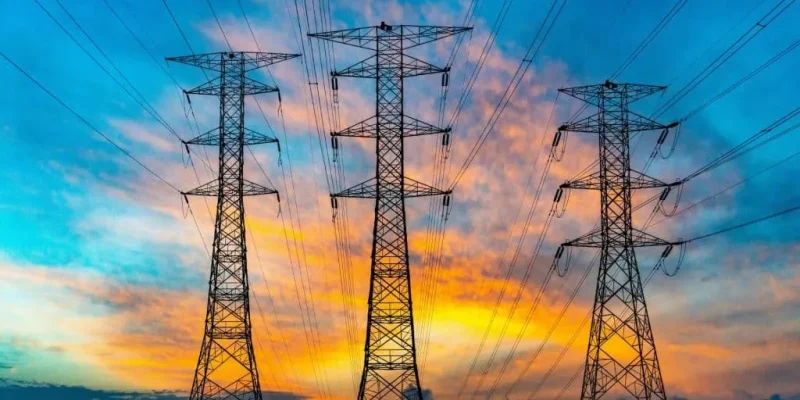
In the realm of power transmission, metal fabrication serves as the structural foundation of the electrical grid, producing the massive infrastructure required to transport energy over long distances. The most prominent examples are lattice towers and pylons, which are precision-fabricated from heavy-duty galvanised steel to withstand extreme weather and high mechanical tension.
Some other electrical components that make up larger systems also require fabrication like welding, bending and cutting. These can include:
Electrical enclosures and cabinets
These are protective metal boxes or cabinets designed to house electrical equipment such as control panels, circuit breakers, and switchgear. The metal fabrication stages that these products often go through include cutting, bending, and welding to create durable enclosures that keep the electrical system from collecting dust, moisture and protect it from impact.
Bushbars and conductors
Bushbars are solid metal strips that are used to distribute electricity within a switchboard. They often require cutting, punching and bending to provide efficient conductivity and for the system to be integrated properly.
Cable trays and ladder systems
Cable trays and ladder racks are fabricated metal support systems used to organise and carry electrical cables. They are typically made from galvanised steel or aluminium and used in commercial and industrial installations, such as perforations for ventilation and easy cable management.
Transformer tanks and housing
A heavy-duty metal structure that encloses and protects cores and windings. Transformer tanks are welded shut to avoid environmental conditions from affecting them and this allows proper cooling and heat dissipation.
Mounting brackets and frames
To mount electrical panels, motors, lighting systems and other equipment, custom-fabricated brackets or frames are required for secure mounting. They must be designed for strength, stability, and accurate alignment to ensure safe operation.
Electrical connectors and terminals
Metal fabrication techniques such as stamping and precision machining are used to produce connectors, lugs, and terminals. These components ensure reliable electrical connections and are often plated to enhance conductivity and corrosion resistance.
Lighting fixtures and poles
Metal fabrication is used to manufacture lighting housings, industrial fixtures, and streetlight poles. These products require strength, weather resistance, and precise forming to ensure durability and long-term outdoor performance.
Techniques Used in Metal Fabrication for Electrical Applications
Welding: Assembling strong and stable structures will require welding for mechanical assembly. From construction projects to automotive parts, manufacturing and more, welding offers a few methods to reinforce joints and components to withstand vibration, mechanical loads, and environmental exposure while safeguarding sensitive electrical equipment.
Powder Coating: Finishing treatments further improve both performance and longevity. Powder coating or anodising protects metal components from corroding, oxidising and general wear. Smooth, refined surfaces also remove sharp edges, improving safety and reducing the risk of damage to cables and connected parts.
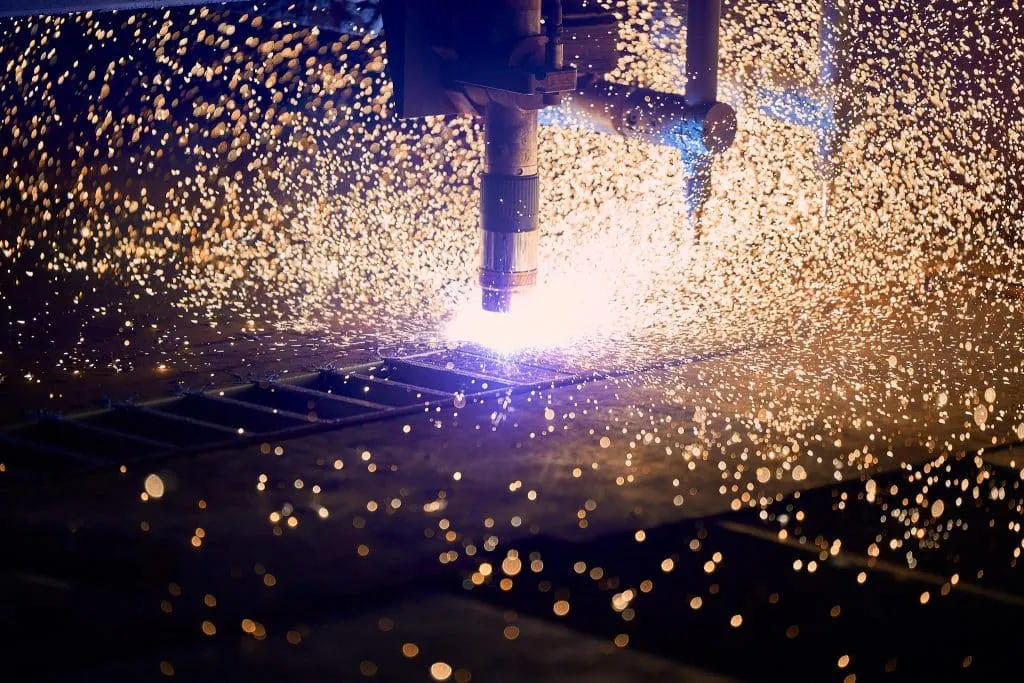
Plasma Cutting/ Gas Profiling: Advanced cutting methods such as plasma cutting and gas profiling are commonly used when thick metals or heavy-duty components need to be shaped with strength and efficiency
Metals Used in Metal Fabrication for Electrical Applications
Aluminium
- Lightweight and corrosion-resistant, suitable for busbars, cable trays, and enclosures.
- Lower conductivity than copper but more cost-effective for large-scale applications.
- Easy to machine and fabricate, making it versatile for complex components.
Stainless Steel
- Highly resistant to rust, heat, and chemical exposure.
- Commonly used for outdoor enclosures, panels, and protective housings.
- Maintains strength and appearance over long service life.
Mild steel
- Strong and durable, making it suitable for structural components like enclosures, frames, and mounting brackets.
- Cost-effective compared to stainless steel, aluminium, or copper.
- Easy to cut, bend, weld, and machine, allowing for versatile fabrication.
Advantages of Metal Fabrication for Electrical Applications
Metal fabrication does far more than form parts; it strengthens the overall performance, safety, and longevity of electrical installations. Through precise engineering and controlled manufacturing processes, fabricated components contribute significantly to dependable power distribution and control.
Improved Safety
Carefully manufactured metal components help lower the risk of hazards such as short circuits, overheating, and structural failure. Accurate cutting, forming, and assembly ensure tight fits and secure connections, reducing the likelihood of loose parts or electrical faults. Protective finishes can also provide insulation and shield components from environmental damage, adding another layer of protection.
Long-Term Performance
Electrical systems often operate in challenging environments, including high temperatures, vibration, and exposure to moisture or dust. Fabricated parts such as cabinets, support frames, and conductive bars are built to withstand these stresses. Their structural strength and durability help maintain consistent operation over time. For parts used in everyday life, these systems can be prepared for repeated use.
Design Flexibility
One of the key strengths of metal fabrication is its adaptability. Components can be engineered to meet exact project specifications, whether for compact commercial panels or large-scale industrial installations. Custom-built enclosures, brackets, and conductive elements allow systems to be designed around specific operational and spatial requirements.
Economic
High-quality fabrication reduces the frequency of maintenance and replacement, leading to long-term cost savings. Efficient production methods also minimise material waste and improve manufacturing accuracy, helping control overall project costs while maintaining high standards.
Protected Against Corrosion
Electrical components often face harsh or outdoor conditions. Fabrication processes incorporate corrosion-resistant materials or protective coatings to guard against rust and wear. This added resilience extends service life and ensures continued reliability in demanding settings.