
If you understand where waste occurs in the fabrication process, you’ve taken the first step towards eliminating it. Waste comes in various forms: excess material offcuts, time lost through inefficient processes, rework due to errors, and capital tied up in excess inventory.
Each of these areas is a missed opportunity for improved profitability. As such, if you address waste systematically across every stage of your fabrication project, you can make big savings and reduce your environmental footprint. It’s a win-win!
1. Material Selection
Choosing the right materials is the first step in reducing fabrication waste and your costs. Selecting cost-effective yet durable materials can greatly impact overall project expenses. For instance, aluminium alloys, known for being lightweight, corrosion-resistant, and highly recyclable, can offer substantial cost savings for specific applications. However, material selection extends beyond simply choosing between steel grades or alternative metals.
It involves understanding the specific requirements of your project; load-bearing capacity, environmental exposure, aesthetic considerations, and lifecycle costs. A slightly more expensive material with superior corrosion resistance might eliminate the need for protective coatings, ultimately reducing total project costs. Similarly, standardising on fewer material grades across multiple projects can improve purchasing power and reduce inventory complexity.
2. Cutting and Forming Efficiency
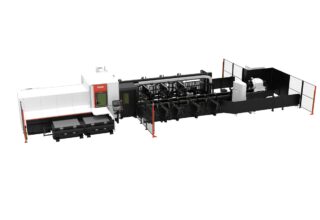
Advanced cutting and forming methods significantly reduce waste and enhance material utilisation. Technologies such as CNC machining and laser cutting play critical roles in achieving precision cuts, significantly minimising scrap generated by inaccuracies or human error. CNC machining, in particular, ensures repeatability and accuracy, reducing the possibility of mistakes and thereby reducing material loss. Modern laser cutting systems can process complex geometries with minimal kerf width, the material removed during cutting, which enables material savings.
Plasma cutting offers speed advantages for thicker materials, whilst waterjet cutting eliminates heat-affected zones that might otherwise compromise material properties. The key is matching the cutting technology to your specific application requirements, balancing speed, precision, and operating costs.
3. Nesting Software Optimisation
Nesting software allows fabricators to arrange cutting patterns strategically, maximising material usage from each sheet or plate. This digital approach calculates the most efficient layout before any physical cutting begins, potentially reducing offcut waste by up to 20%.
Advanced systems incorporate artificial intelligence to learn from previous projects, continuously improving their optimisation algorithms. They can also consider practical constraints such as torch path efficiency, minimising piercing operations, and sequencing cuts to prevent heat distortion. The return on investment for quality nesting software can materialise within just months through reduced material consumption.
4. Design for Manufacturability
By collaborating with designers early in the project phase, you can eliminate costly modifications later. By optimising designs for fabrication, such as standardising components, reducing complex geometries, and incorporating standard sizes, you can significantly reduce both material waste and labour hours. Simple design changes can often achieve the same structural goals with far less waste.
This collaborative approach, often called concurrent engineering, ensures that fabrication realities inform design decisions from the outset. For example, designing components that utilise full sheet dimensions eliminates edge waste, whilst standardising hole sizes and spacings reduces tooling changes and setup time.
5. Scrap Metal Recycling and Reuse
A systematic approach to scrap management can recover value from offcuts and waste material. Steel is infinitely recyclable without loss of quality, making it economically sensible to separate, store, and sell scrap metal.
Additionally, larger offcuts can often be repurposed for smaller components or future projects, creating an internal circular economy.
6. Just-in-Time Material Procurement
Strategic material ordering prevents over-purchasing and reduces storage costs. By coordinating deliveries with production schedules, you minimise capital tied up in inventory whilst reducing the risk of material degradation or damage during extended storage.
To do this requires reliable suppliers, but it can improve your cash flow and reduce waste from unused or degraded materials.
7. Workforce Training and Skill Development
Investing in comprehensive training programmes reduces errors that lead to wasted materials and rework. Skilled operators make fewer mistakes, work more efficiently, and better understand how to optimise processes.
Regular upskilling in new technologies and techniques ensures your team can leverage the latest efficiency improvements and waste reduction methods.
8. Preventive Maintenance Programmes
Well-maintained equipment operates more accurately and reliably, reducing defects and material waste. Regular servicing of cutting machines, welding equipment, and other fabrication tools prevents costly breakdowns and ensures consistent quality. Scheduled maintenance is invariably more cost-effective than emergency repairs, which involve production downtime and wasted materials.
Your maintenance schedule should include daily operator checks, weekly lubrication routines, and monthly calibration verification. Keep detailed maintenance logs to identify patterns and predict when components are likely to fail, enabling proactive replacement before failures occur.
9. Quality Control at Every Stage
Implementing rigorous quality checks throughout the fabrication process catches errors early, before significant resources are invested. Early detection of issues prevents the compounding of mistakes and reduces the volume of finished products that must be scrapped or reworked. Statistical process control and regular inspections create accountability and reduce waste.
For effective quality control, you’ll need to establish clear acceptance criteria, implement first-article inspection protocols, and conduct in-process verification at all the critical stages.
10. Project Planning and Communication
Thorough planning and clear communication between all stakeholders prevent costly misunderstandings and changes mid-project. Detailed specifications, regular progress reviews, and collaborative problem-solving ensure everyone works towards the same goals. Through effective project management, you can reduce rush jobs, last-minute changes, and the associated waste these situations create.
Conclusion
Reducing costs and waste in steel fabrication needs to involve materials, processes, people, and planning. By implementing these ten strategies, you can improve profitability whilst simultaneously reducing environmental impact.
The initial investment in technology, training, or process improvements typically pays for itself through material savings, reduced rework, and improved efficiency. Start by identifying which areas offer the greatest potential savings for your specific operations, then systematically implement improvements across your fabrication processes.