Yorkshire Laser and Fabrication Ltd explains, In the world of sheet metal fabrication, the journey from raw material to finished product doesn’t end with cutting, bending, or forming.
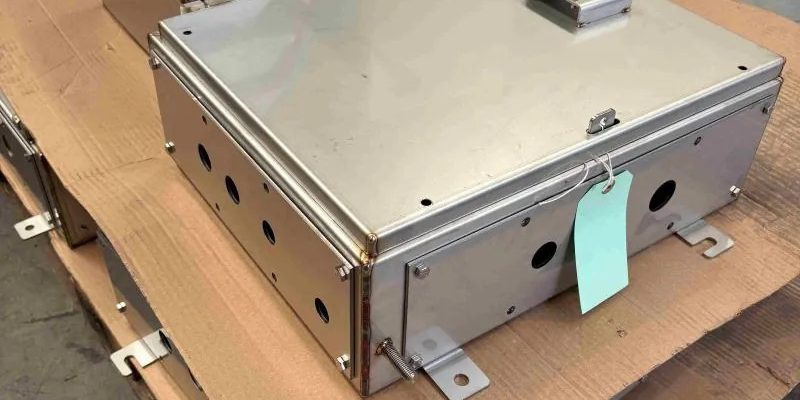
The final, and often most critical, step is the sheet metal assembly process. Depending on the job in hand, this can range from simply fastening two brackets together to building complex enclosures, architectural frameworks or automotive components.
Handing over perfectly cut and bent components to a professional assembly team ensures your product arrives with you in pristine condition, exactly to specification, and ready for immediate use.
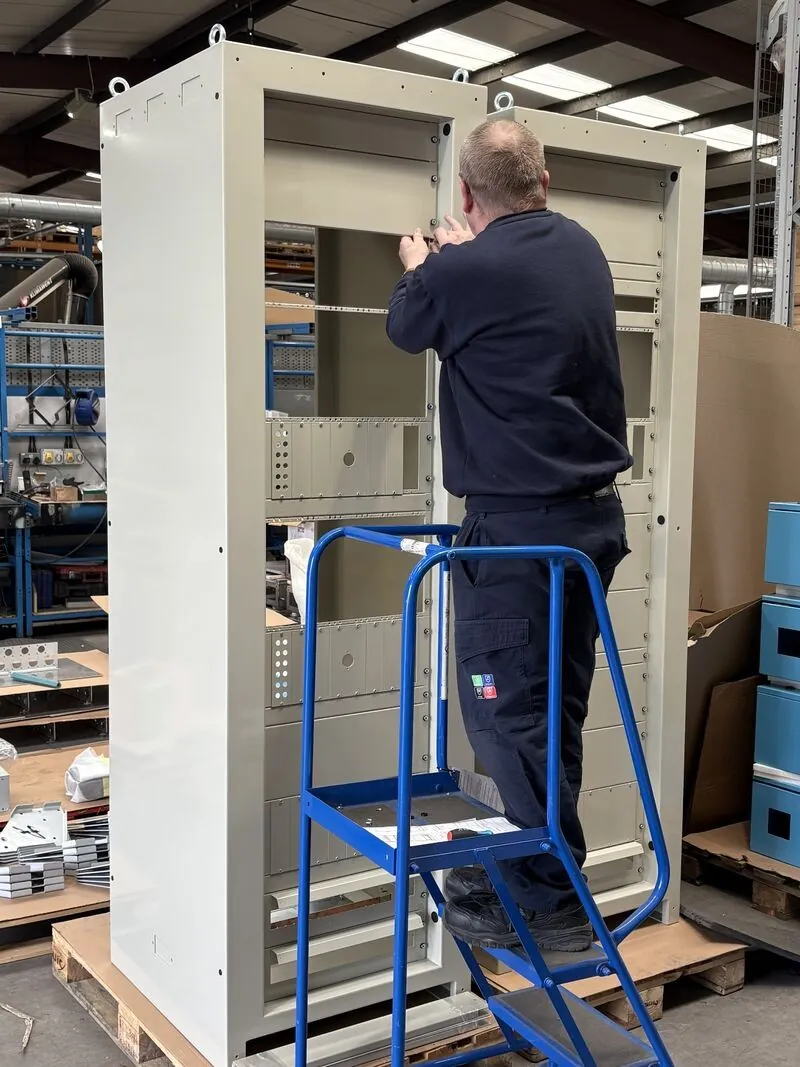
Ensuring a precise fit
At Yorkshire Laser, experienced fabricators are highly skilled at painstakingly piecing together sheet metal parts that have been designed and manufactured to tight tolerances to ensure seamless integration.
Even minor deviations in alignment can cause gaps, misfits or functional issues, so specialised fixtures, jigs and advanced measurement tools are used to guarantee every component lines up perfectly. This results in assemblies that meet exact specifications, avoiding the common pitfalls of DIY or inexperienced handling, such as warped panels or uneven joints.
How can sheet metal parts be joined together?
The perfect finished sheet metal product relies significantly on choosing the most suitable joining method for the material used and its end purpose.
Common sheet metal assembly techniques and joining processes used by fabrication professionals include:
- Fastening: Using screws, bolts, nuts, rivets or self-clinching fasteners to join parts. This allows for easy maintenance and disassembly when needed.
- Welding: Welding creates permanent, high-strength joints and is widely used for structural components and frames.
- Adhesive bonding: Industrial adhesives or structural tapes can join metals while distributing loads evenly and avoiding heat distortion.
- Clinching and crimping: Mechanical joining methods that mould the metal to lock parts together without additional fasteners.
- Press-fit assembly: Components such as bearings, pins or bushings are pressed into precisely machined or punched holes.
Whichever joining technique is used, the aim is the same: to create strong, durable joints that maintain structural integrity without compromising the overall look of the product.
Delivering the perfect weld
Welding is one of the primary sheet metal joining methods used in fabrication, permanently fusing two or more metal parts together through heat, pressure or both.
The choice of process (MIG, TIG or resistance spot welding) depends on the material, sheet thickness, appearance requirements, production volume and cost, and each has its advantages.
MIG (Metal Inert Gas) welding feeds a continuous wire electrode through a welding gun while shielding gas protects the weld. It is fast and productive, ideal for medium to high volume production, and well suited to mild steel, stainless steel and aluminium.
TIG (Tungsten Inert Gas) welding uses a non-consumable tungsten electrode, with filler metal added separately if needed. It requires greater welding skill but delivers clean, attractive welds, and is ideal for thin sheets of stainless steel and aluminium, as used in food manufacturing equipment, decorative metalwork and precision fabrication.
In resistance spot welding, two copper electrodes clamp the metal parts together while an electrical current generates heat at the join. This process is fast and highly repeatable, so it is excellent for mass production. It is widely used in fabricating steel cabinets and enclosures, HVAC components and automotive panelling.
Overcoming challenges in sheet metal welding
Welders at Yorkshire Laser & Fabrication are trained and qualified to at least NVQ 3 standard. Many have developed their skills and professionalism through apprenticeships, combining day release at college with on-the-job training mentored by experienced senior colleagues.
A high level of skill and craftsmanship is essential in welding, where poor heat control can lead to warping or distortion, burn-through, shrinkage and residual stresses. These can affect dimensional accuracy and put the whole job in jeopardy.
Handling with care
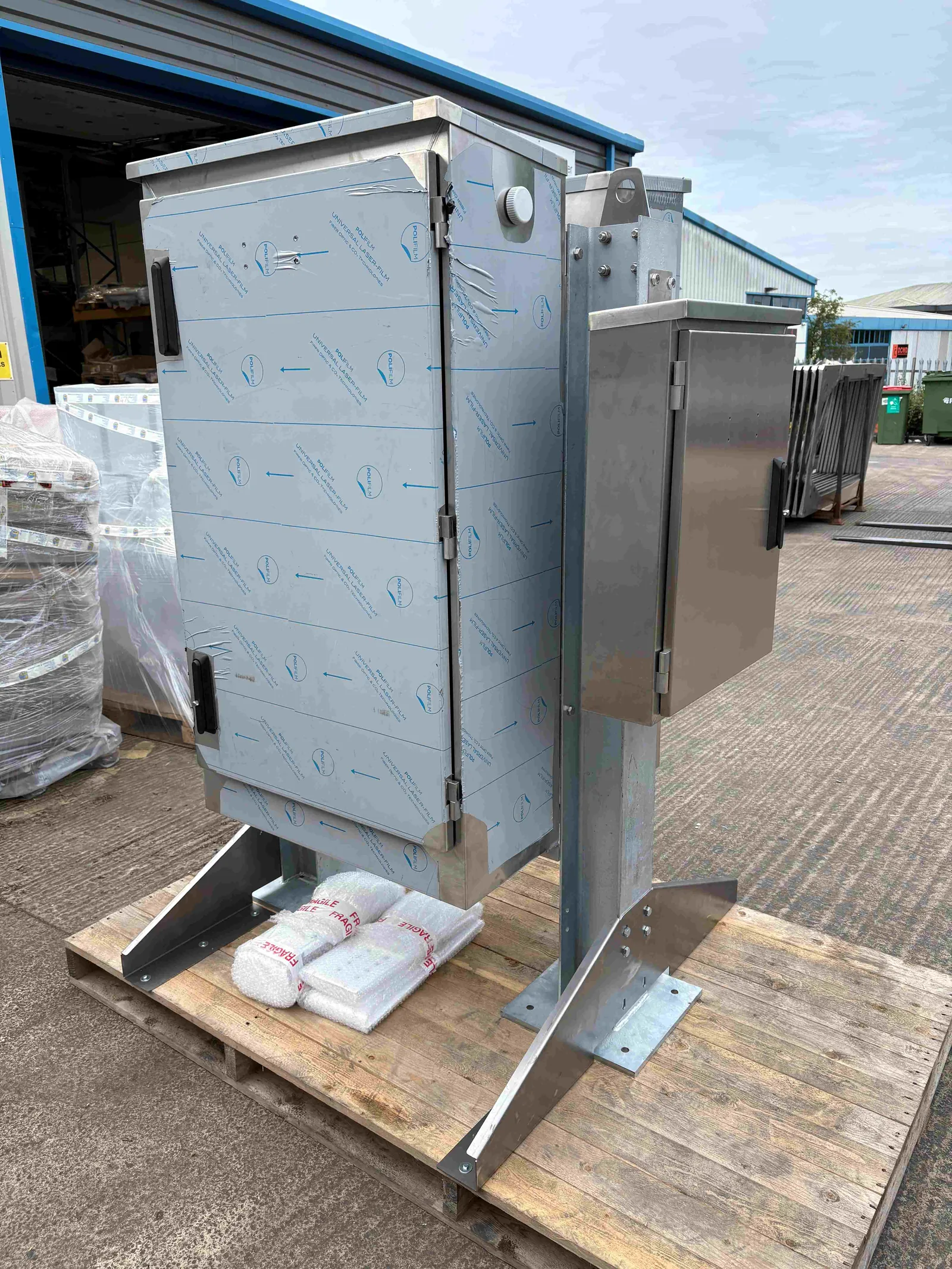
Sheet metal surfaces are susceptible to scratches, dents, burrs or contamination during handling. Inexperienced fabrication can introduce visible imperfections or hidden stresses that affect performance. A dedicated professional team follows strict protocols, including careful material handling and protective measures, to minimise potential damage.
During fabrication, items go through one or more metal finishing processes to ensure the product looks and performs as the customer wants on delivery. This includes ‘deburring’, which removes any sharp edges left by previous laser cutting or CNC punching processes. As well as making the part safer, this makes assembly easier and cleans it up ready for any coating that’s required.
Other metal finishing processes include:
- Surface preparation: cleaning to remove oils, dirt, oxide, mill scale and fingerprints, providing a better surface for coatings to be applied.
- Grinding and polishing: grinding removes weld beads, surface imperfections and excess material, while polishing creates smoother finishes ranging from satin to mirror, typically found in kitchen equipment, architectural panels and decorative components.
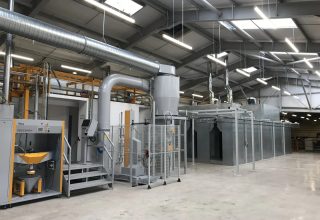
- Powder coating: powder is applied electrostatically to clean surfaces and cured in an oven at high temperatures. This provides a durable, scratch-resistant and corrosion-resistant finish. Available in multiple colours and textures, it is commonly used for sheet metal enclosures, architectural features, furniture and automotive components.
- Painting: liquid paint is applied by spray gun, dip coating or airless spray. While less durable than powder coating, it looks good, is easy to touch up, offers a wide colour selection and is suited to large assemblies.
- Electroplating: uses electricity to add a thin metal coating of zinc, nickel, chrome, copper or tin to protect against corrosion and wear and tear, improve conductivity and make the part more decorative.
- Galvanising: hot-dip or electro-galvanising gives steel parts a protective zinc coating for long-term corrosion protection, particularly suited to outdoor structures.
- Anodising: thickens the natural oxide layer on aluminium, boosting its corrosion resistance and robustness. It looks good and can be dyed various colours.
- Passivation: removes free iron from the surface of stainless steel, enhancing its protective chromium oxide layer. This makes it less prone to rusting while providing a clean, contamination-free surface ideal for food processing or medical equipment.
- Brushing: creates a decorative directional grain that conveniently hides fingerprints and light scratches. It is used on stainless steel panels.
- Bead blasting: bombards the surface with glass or ceramic beads to create a uniform, clean matte finish with reduced surface glare. It is often used before anodising or painting.
Adding those finishing touches
The final stage in the sheet metal assembly process often includes installing additional components, such as:
- Hinges, handles and locks
- Threaded inserts and studs
- Rubber seals and gaskets
- Electronic components and wiring
- Bearings, brackets and other hardware
While this may sound simple, it’s where attention to detail and precision engineering to tight tolerances throughout the manufacturing process really come into play, ensuring everything fits together just so.
Ensuring our quality and consistency is spot on
At Yorkshire Laser, we pride ourselves on the quality of our service and finished product. That means rigorous inspections at every step of the production process, plus a final pre-delivery verification check. This ensures issues are caught early and corrected promptly, safeguarding dimensional accuracy, cosmetic quality and specification compliance while minimising delays further down the line.
Our Quality Inspectors will be looking for:
- Correct alignment and fit of parts
- Weld quality and joint strength
- Fastener torque where applicable
- Dimensional accuracy
- Cosmetic finish and surface quality
- Functional operation (such as opening doors, moving mechanisms or electrical testing)
Consistency across batches is vital for OEMs or high-volume orders, and it is hard to achieve without trained professionals and established processes. The result is fewer rejects, returns or warranty claims, protecting both your reputation and your bottom line.
Modern sheet metal products often feature intricate geometries or multi-part assemblies. Experienced sheet metal fabricators bring years of expertise, access to lean sheet metal assembly techniques, and tools that streamline the process while upholding quality. This expertise turns potentially challenging projects into reliable, high-quality deliverables, delivered faster and with less risk than in-house attempts lacking specialised skills.
In short, professional sheet metal assembly isn’t just an “add-on”. It’s the safeguard that transforms fabricated components into a customer-ready product.