D & M Design & Fabrication Ltd look at the importance of sheet metal fabrication in the food industry and why it is so critical.
The food and drink manufacturing sector is the UK’s largest manufacturing sector, with a turnover exceeding £104 billion, including over £20 billion in exports, and it employs nearly 500,000 people in the UK.
From commercial kitchens to large-scale food factories, sheet metal fabrication plays a critical role in keeping operations running safely and smoothly. Although often overlooked in the food industry, it plays an integral role in food manufacturing, creating everything from sinks and worktops to drains and machinery.

What is Sheet Metal Fabrication in the Food Industry?
Sheet metal fabrication in the food industry involves cutting, bending, welding, finishing, and assembling metal, particularly food-safe materials such as stainless steel.
One of the most important aspects of sheet metal fabrication in the food industry is ensuring everything is hygienic and easy to clean. This is why stainless steel is often the preferred metal, it’s properties, such as corrosion resistance and a non-porous, hygienic surface, make it ideally suited for the food industry.
When creating parts for the food industry, everything must be designed to remove contamination and be easy to clean. That means smooth, polished surfaces with minimal joints or gaps, so there is no opportunity for bacteria to grow, and clean, high-quality welds.
Key applications in the Food Industry
Sheet metal fabrication plays a huge role in the food industry, from surfaces on which food is prepared to the machinery used in food production.
Commercial Kitchen Equipment
In commercial kitchens, sheet metal fabrication is everywhere, and the material of choice is, of course, stainless steel. It is in the worktops, splashbacks and sinks – easy to clean and extremely hygienic, they are designed to be durable, long-lasting, corrosion-resistant, and to put up with constant use and a mixture of hot and cold temperatures.
Food Processing Machinery
Behind the scenes in food production facilities, sheet metal is used to create machinery like conveyor systems, mixers, and preparation units. These need to be fabricated with precision to ensure smooth operation and to avoid any areas where food or bacteria could get trapped.
Storage and Handling Solutions
Racking, shelving, and storage containers are often made from fabricated metal to ensure strength and hygiene. In environments like cold storage or dry goods warehouses, these solutions need to be both robust and easy to maintain.
Ventilation and Extraction Systems
Good airflow is essential in both kitchens and factories. Fabricated ducting and extractor hoods help remove heat, steam, grease, and airborne particles, keeping the environment safe and comfortable for staff while also maintaining hygiene standards.
Bespoke Fabrication for Food Businesses
No two kitchens or production lines are exactly the same, which is where custom fabrication comes in. Whether it’s made-to-measure workstations, specialist equipment, or space-saving designs, bespoke metalwork allows businesses to optimise their layout and improve efficiency.

Why Sheet Metal Fabrication is Critical in the Food Industry
When it comes to food environments, sheet metal fabrication isn’t just about creating equipment — it’s about ensuring everything is safe, compliant, and built to last. The quality of fabrication can directly impact hygiene standards, efficiency, and even whether a business passes inspections.
Hygiene and Food Safety
One of the biggest reasons sheet metal fabrication is so important is hygiene. Food-grade metals like stainless steel are non-porous and easy to clean, which helps prevent bacteria build-up. When fabricated properly—with smooth finishes and seamless joints—there are fewer places for dirt or contaminants to hide.
Durability in Demanding Environments
Food environments are tough on materials. Surfaces are exposed to moisture, heat, cleaning chemicals, and constant use. High-quality fabrication ensures components can withstand all of this without rusting, warping, or deteriorating over time.
Precision and Clean Design
In the food industry, even small design flaws can cause big problems. Poorly finished edges, gaps, or uneven surfaces can quickly become hygiene risks. Precision fabrication ensures everything fits properly, functions efficiently, and meets strict cleanliness standards.
Compliance with Regulations
Food businesses must meet strict health and safety regulations, and the materials and equipment they use play a big part in that. Properly fabricated metalwork helps ensure compliance with industry standards, making inspections smoother and reducing the risk of costly issues.
Efficiency and Workflow
Well-designed, fabricated equipment can make a real difference to how a kitchen or production line runs. From custom workstations to tailored storage solutions, good fabrication supports smoother workflows, helping staff work more efficiently and safely.
The Role of Modern Fabrication Technology
Modern fabrication technology has completely transformed how sheet metal is used in the food industry. What used to be a more manual, time-consuming process is now highly precise, efficient, and consistent—something that’s essential when hygiene and accuracy are so important.
Precision Through CNC Machinery
CNC (Computer Numerical Control) machines allow fabricators to cut and shape metal with incredible accuracy. This means components fit perfectly, edges are cleaner, and there’s far less room for error—especially important in food environments where even small imperfections can become hygiene risks.
Laser Cutting for Clean Finishes
Laser cutting technology produces smooth, precise cuts without rough edges. Not only does this improve the overall finish, but it also reduces the need for additional processing and helps create surfaces that are easier to clean and maintain.
Advanced Welding Techniques
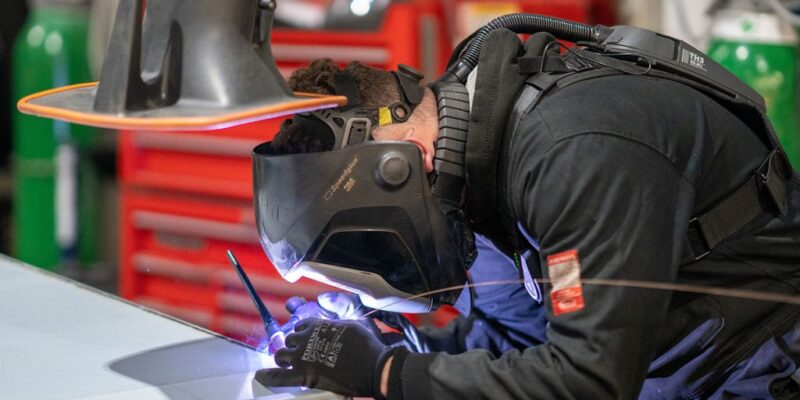
Welding has come a long way, particularly in food-grade fabrication. Modern techniques allow for seamless joins that are both strong and hygienic, eliminating gaps where bacteria could otherwise build up.
Faster Turnaround Times
With automation and advanced machinery, fabrication projects can be completed much more quickly than before. This is especially valuable for food businesses that need new equipment installed or replaced without long periods of downtime.
Consistency at Scale
For larger operations, consistency is key. Modern technology ensures that whether you’re producing one unit or hundreds, each component meets the same high standard—critical to maintaining quality across an entire facility.

Choosing the Right Fabrication Partner
When it comes to the food industry, choosing the right fabrication partner is just as important as the materials and equipment themselves. The quality of the fabrication can directly impact hygiene, efficiency, and compliance, so it’s not something to cut corners on.
It’s useful to find a company that understands the specific requirements of the food industry, from hygiene and safety to the strict standards required. Smooth finishes, polished edges, and clean welds are equally important; they help prevent bacterial buildup and make cleaning down even easier.
As well as ensuring you find a partner with the skills and knowledge, it is important to find someone who understands the importance of delivering bespoke parts on time. Delayed parts can slow down production and be rather costly.