
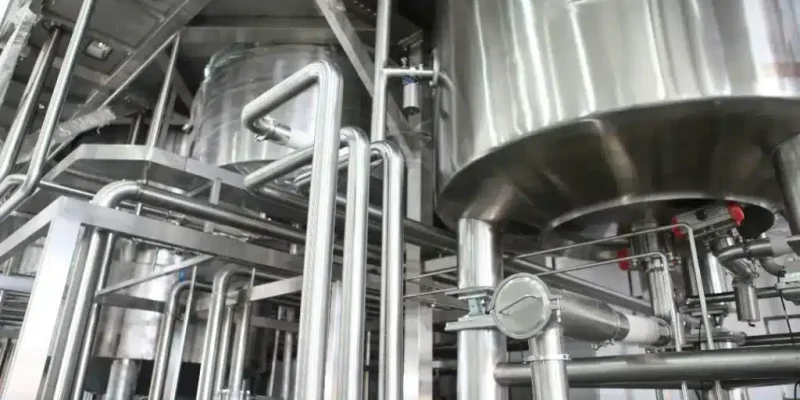
Stainless steel plays a critical role in modern food production, offering unmatched durability, hygiene, and corrosion resistance. From processing equipment to storage systems, stainless steel for food industry applications is essential for maintaining safety and efficiency.
Why Is Stainless Steel Used in the Food Industry?
The widespread use of stainless steel in food industry environments comes down to its unique combination of properties that meet strict hygiene and safety standards.
Key reasons include:
- Corrosion resistance, preventing contamination from rust or degradation
- Non-porous surface, reducing bacterial growth and making cleaning easier
- High durability, ensuring long-term performance under demanding conditions
- Temperature resistance, suitable for both hot and cold processing environments
These characteristics explain why stainless steel is consistently preferred over alternative materials in food manufacturing.
Benefits of Stainless Steel in Food Industry
The benefits of stainless steel in food industry applications go beyond basic hygiene. It directly impacts operational efficiency and regulatory compliance.
- Easy to clean and sterilise, supporting food safety standards
- Resistant to chemicals and cleaning agents used in sanitation processes
- Long lifespan, reducing maintenance and replacement costs
- Sustainable and recyclable, aligning with environmental goals
For businesses, these advantages translate into reduced downtime and improved product safety.
Food Grade Stainless Steel Explained
Food grade stainless steel refers to materials specifically designed to be safe for food contact. These materials must resist corrosion, avoid leaching harmful substances, and maintain structural integrity under repeated cleaning. Safe stainless steel for food contact typically contains chromium and nickel, which enhance corrosion resistance and stability. The smooth surface finish also prevents food particles and bacteria from adhering, which is critical in hygienic environments.
304 Stainless Steel Food Grade: The Industry Standard
Among the available grades, 304 stainless steel food grade is one of the most widely used. Known for its excellent balance of performance and cost, it is suitable for a wide range of food processing applications.
304 grade stainless steel for food use offers:
- Excellent corrosion resistance in most food environments
- Good formability, making it ideal for fabrication
- Strong resistance to oxidation and cleaning chemicals
Common uses include:
- Food processing equipment
- Storage tanks and containers
- Kitchen surfaces and worktops
- Piping systems in food production facilities
- Stainless Steel in Food Production Applications
Stainless steel in food production can be found across every stage of the supply chain. Its versatility makes it suitable for both small scale and industrial operations.
Typical applications include:
- Mixing and processing equipment
- Conveyor systems
- Refrigeration units
- Packaging machinery
- Hygienic piping and fittings
The use of stainless steel in food industry settings ensures that equipment remains compliant with strict health and safety regulations while maintaining operational efficiency.