Cold bridging on metal roofs is a common but relatively simple problem to fix. Whilst it can cause dripping ceilings, mould growth and a significant loss of heat, with the right changes, insulation can be drastically improved.
Cardinal Steels explains what cold bridging is, what causes it, its implications and importantly, how to reduce it.
What Are Single Metal Roof Sheets?
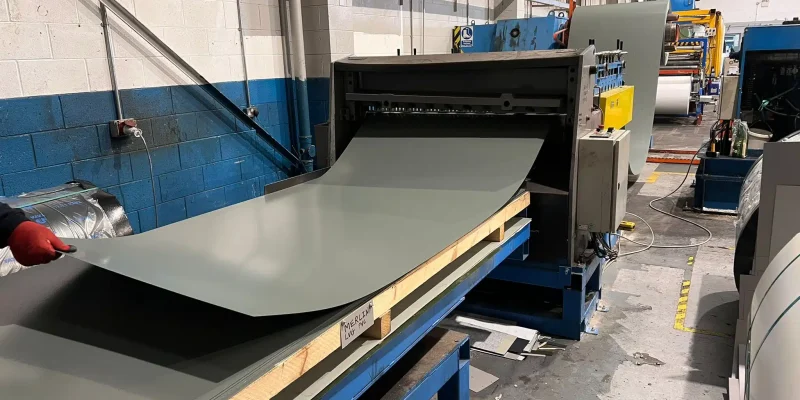
Single metal roof sheets form the outer weatherproof surface of a building and are available in different profiles including corrugated and box sheets. These sheets protect against the elements but can allow heat transfer if installed without insulation.
What Is Cold Bridging in Metal Roofing?
Cold bridging, also known as thermal bridging, happens when a material with high thermal conductivity, like metal, allows heat to pass through it. In roofing, this means heat escapes through the metal, forming cold spots that lead to condensation inside the building.
Why Does Cold Bridging Happen?
There are several reasons why cold bridging may occur.
1. The Metal Sheet Itself
Single metal roofing sheets have a high thermal conductivity. So, when the outside air is cold, the metal becomes cold too. The cold air transfers to the inner surface of the sheet, creating a direct route for heat to escape or enter. The single sheet has no insulation to slow the heat transfer, or vapour control to prevent moisture, therefore condensation can form.
2. Roof Fasteners and Fixings
Screws, bolts and washers that secure metal roof sheets to a building’s structure are direct thermal bridges. They allow the transfer of cold air to the inner structure of the roof, causing heat to escape in the winter and to enter in the summer.
3. Structural Points on a Building‘s Frame
Steel purlins, rafters, beams or wall-to-roof injunctions are often made from steel which is a highly conductive material. The metal-to-metal contact acts as a thermal bridge, allowing cold air to move further into the building.
How Does Cold Bridging Cause Condensation?
When the warm air meets the cold air, the air cools quickly.
The moisture condenses into liquid, leading to:
- Dripping ceilings and damp insulation
- Corrosion of metal components
- Recurring condensation as the metal repeatedly conducts cold
Cold bridging makes condensation worse because the entire sheet acts as a conductor, creating widespread cold spots.
What Is the Long-Term Impact of Cold Bridging?
The most serious consequence of cold bridging on metal roof sheets is the condensation it forms, and the long-term damage that will cause.
Condensation causes surfaces to remain damp for long periods.
The moisture will not go away; it soaks into materials and joints causing corrosion and mould growth.
Structural damage to the building will occur, with leaking ceilings and roof rain inside the building.
Whilst cold bridging can be seriously damaging to your building, it can be prevented and managed.
How to Prevent Cold Bridging on Metal Roofs
1. Install Thermal Break Materials
By placing a non-conductive thermal layer between the metal components, you will disrupt the flow of heat through the metal.
Common options include:
- Thermal tape made from foam or rubber.
- Insulating washers or spaces made from nylon or polymer
- Thermal pads or strips made from rigid plastic or rubber
These materials interrupt the conductive path, reducing heat loss.
What Is Cold Bridging Tape?
Cold bridging tape is a special adhesive tape designed to prevent heat loss, reduce condensation and improve energy efficiency.
It is typically made from foam or rubber materials with a sticky adhesive layer, that is applied under or between metal roofing sheets to seal gaps where heat can escape or moisture can enter.
2. Improve the Ventilation of the Roof
Good ventilation lowers humidity and prevents condensation. Consider the following:
- Ridge vents or eaves vents to encourage airflow.
- Mechanical fans in enclosed spaces.
- Regular checks to ensure air pathways remain clear.
Proper ventilation keeps surfaces dry and prolongs roof life.
3. Upgrade to Insulated Roof Panels
Insulated sandwich roof panels provide continuous thermal resistance and are the most effective long-term solution.
Their built-in insulation core breaks the thermal bridge, keeping internal metal surfaces warm and dry.
Though costlier upfront they:
- Prevent condensation entirely.
- Improve overall energy efficiency.
- Reduce maintenance and structural risks.