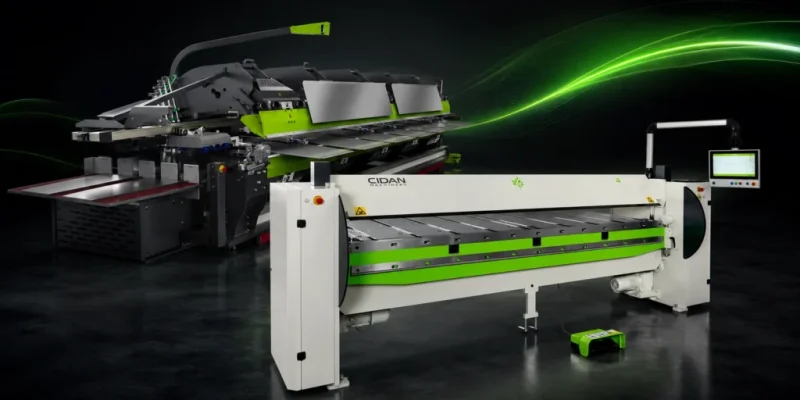
A folding machine affects the entire workflow
Investing in a new folding machine is an important decision for any sheet metal company. The machine needs to handle today’s jobs, but it should also give you the flexibility to take on new materials, larger projects, different profiles, and increasing demands for efficiency. The right folding machine makes everyday production easier, faster and more profitable. The wrong choice, however, can create bottlenecks, unnecessary manual work and limit your ability to grow.
Here are seven questions worth asking before you invest.
1. Which materials do you work with most?
Start with the material. Do you mainly work with sheet steel, aluminum, zinc, copper, stainless steel or coated sheet metal? Different materials place different demands on the machine’s capacity, precision and handling.
Material Thickness, surface finish and sensitivity also influence the choice of machine. A workshop that often handles sensitive materials needs to ensure that the sheet is handled carefully throughout the entire process.
2. What folding length do you need?
Folding length is one of the most fundamental questions. A machine that is too short will limit the jobs you can take on. A longer machine often means a larger investment, but it can also open opportunities for more types of work.
Look at both your current and future needs. Which lengths do you produce most often? Are there projects you turn down today because of limited capacity? Do you want to be able to take on larger roofing or façade jobs in the future?
A longer folding length can also reduce the need for joints, creating a cleaner and more professional result, for example around doors, gates and longer façade details.
3. How important are opening height and working space?

Opening height and working space affect which details you can produce. For complex profiles, higher edges and parts with multiple folds, this can be decisive.
Generous working space provides greater flexibility and makes it easier to handle details that might otherwise be difficult to turn, position or finish.
4. What does your workflow look like today?
A folding machine should fit into the real workflow of the workshop. Do not look only at the machine itself, but at the entire process: from material storage, cutting and folding to delivery.
Where do bottlenecks occur today? Is it in material handling, programming or the folding process itself? A new folding machine can have a major impact, but the best results come when the machine is selected based on the whole production flow.
5. How easy should the machine be to use?
Ease of use matters. A folding machine should be efficient for experienced operators, but also easy enough for new employees to learn and use with confidence.
A good control system, a logical user interface and clear settings reduce the risk of errors and make production more efficient. This saves time, especially with recurring profiles and projects involving many details.
6. How does the machine affect ergonomics and the working environment?

Sheet metal processing often involves heavy lifting, large formats and repetitive tasks. This makes ergonomics an important part of the investment.
Consider how the machine affects working posture, handling, access and the need for manual force. An ergonomic machine can contribute to a better working environment, less fatigue and higher productivity over time.
7. What support will you need after the purchase?
A folding machine is a long-term investment. Service, training, spare parts and support are therefore just as important as the machine’s technical performance.
Ask how installation is handled, what training is offered and how quickly you can get help when needed. A strong service partner can make a major difference to uptime and the machine’s service life.
Think ahead, not only about today’s needs
The best folding machine is not always the largest or the most advanced. It is the machine that best matches your needs, your customers and the way your business is developing.
By analyzing material, lengths, workflow, ergonomics, ease of use and service, you can make an investment that strengthens the entire operation.
A well-chosen folding machine helps a sheet metal company work faster, with higher precision and a more professional result, from the first sheet blank to the finished detail.