HUMAN HISTORY IS FULL OF INVENTIONS THAT QUIETLY TRANSFORM THE WAY WE LIVE. THE CONNECTOR PLATE IS ONE OF THEM.
What began as a hand-sized piece of steel with rows of teeth has become the backbone of offsite construction worldwide, now one of the most important growth areas in UK building.
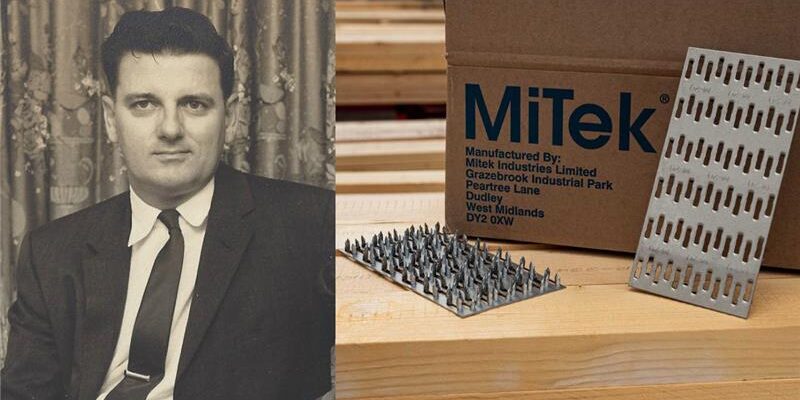
At the centre of this story is John Calvin “Cal” Jureit, an engineer whose spark of inspiration in 1955 reshaped how homes are designed and built.
MiTek are celebrating 70 years of the invention which transformed how the world builds and became the foundation of MiTek’s story as a business built on innovation.
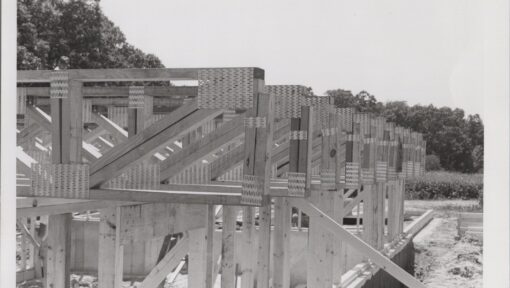
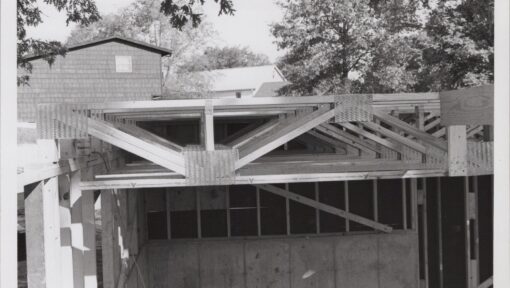
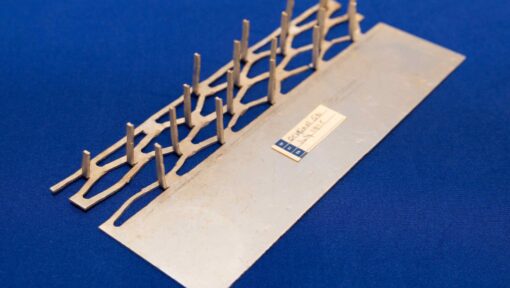
Before 1955, timber roofs were stitched together with hundreds of nails, hammered at awkward angles. The work was slow, inconsistent, and prone to failure. Cal Jureit’s solution was deceptively simple: a galvanised steel plate with teeth, pressed into timber. The teeth gripped evenly, creating stronger, consistent joints.
The impact was profound. Each truss could be made with 125 fewer nails, homes required a quarter less timber, and build times were cut in half. At the same time, roofs became stronger, able to withstand hurricanes. It was a breakthrough that combined efficiency, resilience, and affordability all at once.
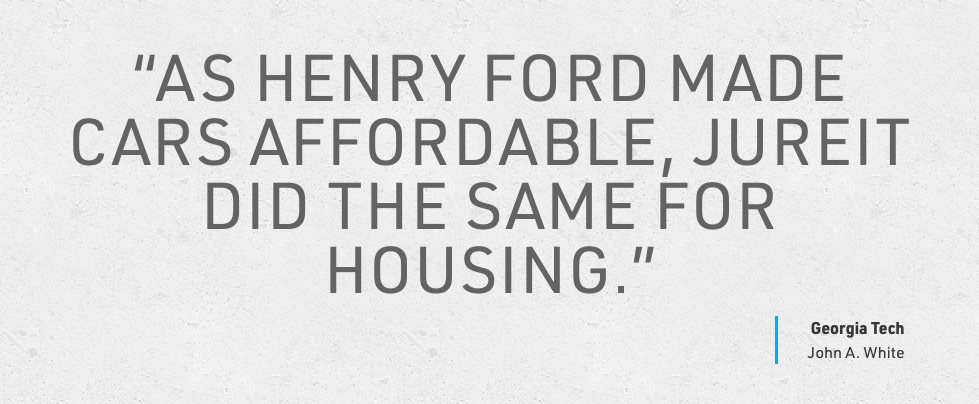
Georgia Tech’s Dean of Engineering compared it to Henry Ford’s assembly line, a revolution that made quality housing affordable for millions.
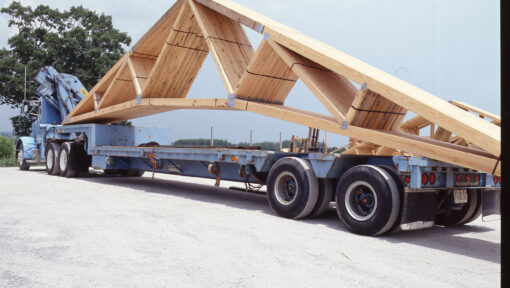
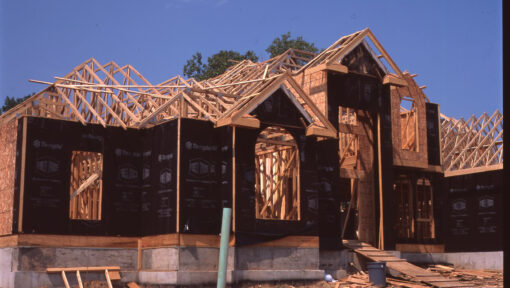
And it didn’t just make homes stronger. Longer spans without internal walls meant architects could design bigger, more open living spaces. Modern home design was transformed almost overnight.
The man behind the plate
Cal Jureit’s path to invention was anything but ordinary. He grew up in his family’s bakery, nurtured a love of art and music, and served as a Navy cartographer in the Pacific during World War II, drawing maps before he drew the future of housing.
After earning his engineering degree in 1949, he gained a reputation for meticulous construction work. Then, in 1955, inspiration struck during a Sunday church service. Jureit later described it as a “bright white light” – a vision of steel teeth locking into wood. He sketched the first designs that day, and within a year, had filed his first patent.
By 1956, Gang-Nail Systems, Inc. was born, the company that would become MiTek. Over his career, Jureit secured more than 60 patents, not only for connector plates but also for presses and truss machinery. He didn’t just invent a product; he designed the system that would carry it worldwide.
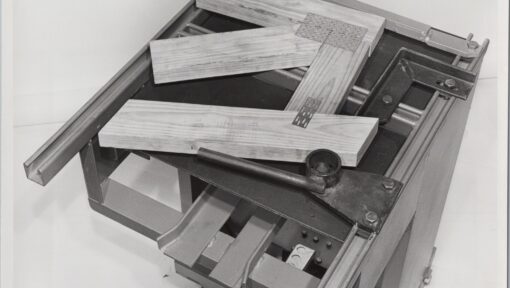
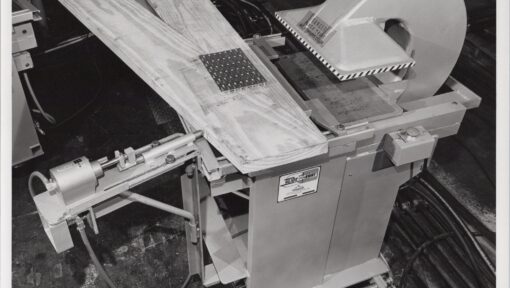
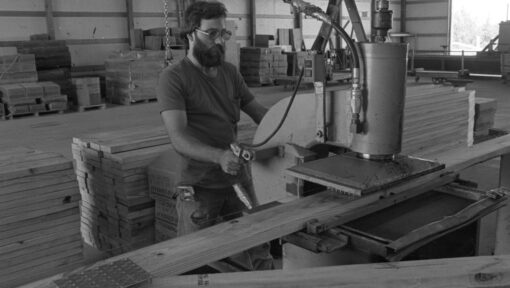
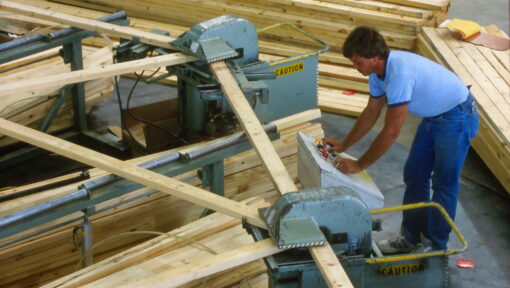
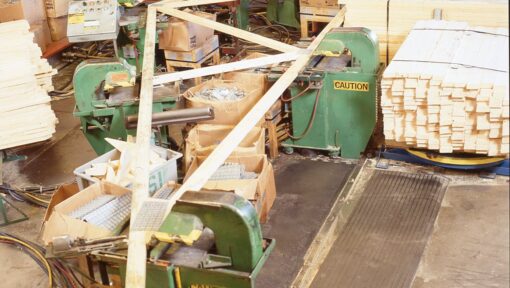
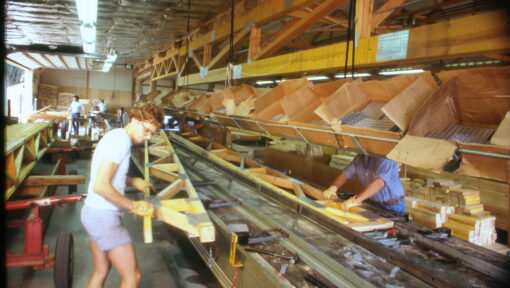
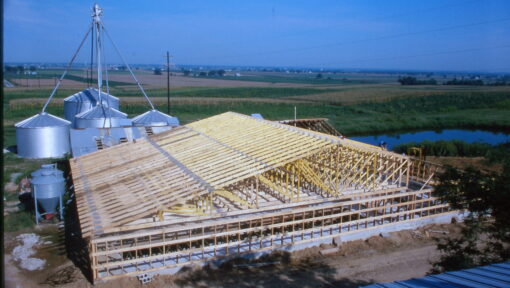
Builders quickly took notice. By the 1960s, truss factories were opening across the US, powered by Jureit’s presses. By the 1980s, the technology had spread to Europe, Australia, and Asia.
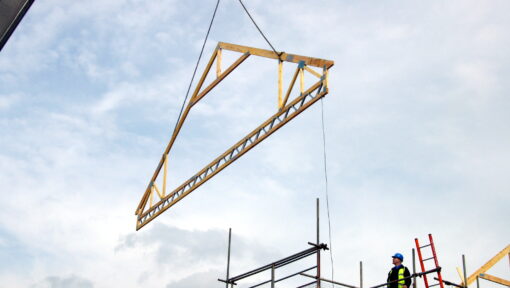
Today, MiTek’s connector plates remain the industry standard, with virtually every prefabricated truss manufactured around the world using connector plates.
From invention to industry
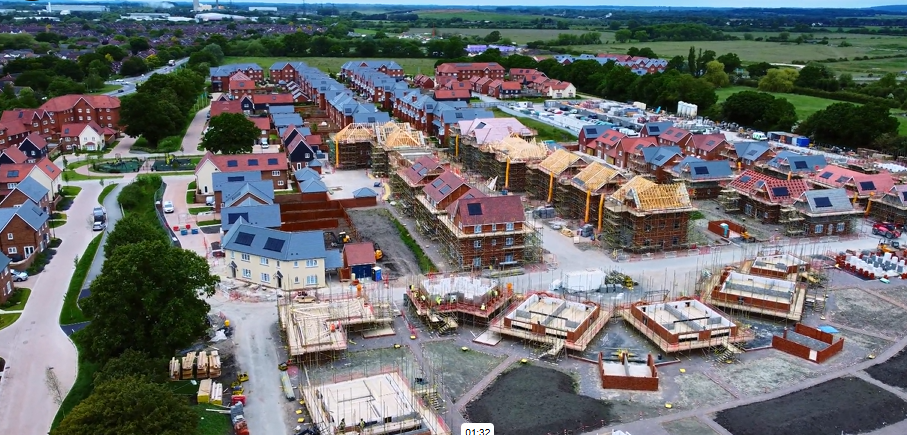
And the industry it sparked, offsite construction, is now one of the most important growth areas in UK building. The modular segment alone is valued at £15.8 billion, with forecasts suggesting growth to nearly £19.7 billion by 2027.*
Offsite isn’t just growing in size; it’s reshaping the future of how we build. It speeds delivery to tackle the housing shortage, reduces reliance on scarce on-site labour, and brings factory precision that improves quality and sustainability. And it represents better value: while just 7% of new-builds in 2023 used offsite, they accounted for 11% of total project value, underlining its role as a premium, higher-quality segment of construction.
This is the legacy of a simple plate. Jureit’s breakthrough not only made homes stronger, it set in motion the offsite revolution that continues to define modern construction today.

A legacy still holding strong
Most homeowners never see the connector plates hidden within their homes, but without them, modern housing would be smaller, slower to build, and more expensive.
For MiTek, the plate is more than steel and teeth. It’s a symbol of what’s possible when ingenuity meets persistence. It’s proof that a simple idea can reshape an entire industry.
The challenge now is different. The world needs housing that is not only affordable and resilient, but also sustainable and low-carbon. Offsite construction is central to that mission. Digital design, automation, optimisation and sustainable methods are extending Jureit’s legacy into new frontiers.
Seventy years on, the connector plate’s legacy is stronger than ever, and we remain committed to carrying it forward. Pushing boundaries, solving challenges, and shaping a smarter, more sustainable future for construction.
Because what Cal started, we are still building, as a business born from his idea and global leader in connector plate innovation today.