
Marketing has long played second fiddle to machine power. But with globalised supply chains and digitally savvy procurement teams, simply cutting sheet metal isn’t enough. How does a 50-year-old manufacturer reposition its brand without losing its technical authority?
SMI sat down with Natalia Stolarczyk, Sales & Marketing Manager at DMP (Daventry Metal Products), who recently led a comprehensive 16-month digital transformation and brand realignment.
SMI: Natalia, sixteen months is a significant timeline. Why did this project require so much time?
Natalia Stolarczyk: Sixteen months sounds long, but I joined DMP just two months before taking on this project. I was learning the ins and outs of the business, our advanced machinery, and the wider industry while simultaneously rebuilding our digital front door and supporting a subtle rebrand.
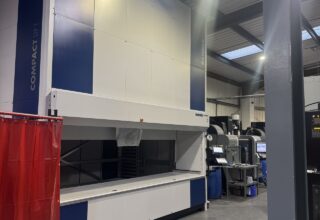
DMP isn’t just a job shop. We operate 10kW fibre lasers, robotic bending cells, robotic welding stations, multi-axis CNC machines, and 3D Keyence inspection systems for Tier-1 OEMs. Distilling half a century of engineering heritage and operational scale into a clear digital user journey took intensive internal audits, copy rewrites, and layout iterations. In precision engineering, if your digital presence is sloppy, buyers assume your tolerances are too.
SMI: Industrial buyers are notoriously sceptical of marketing fluff. How did you balance technical accuracy with approachable messaging?
Natalia Stolarczyk: We avoided two common traps: the dry “technical manual” that bores procurement, and the “fluffy agency” style filled with empty buzzwords. Instead, we adopted an inverted pyramid model. At the surface level, we use bold, accessible messaging using clean typefaces like Termina Bold and Manrope. For technical reviewers who need specifics, we provide detailed machine capacities and tolerances right alongside – like exact 10kW laser bed limits and cutting capabilities.
SMI: How did you highlight DMP’s 50-year history without sounding outdated?
Natalia Stolarczyk: Longevity can imply stability, or it can look like stagnation. We framed our 50-year story around continuous reinvestment and evolution. From our founding in 1974 to adopting early CNC technology in the 1980s, expanding into machining, and recently introducing automated robotic bending and welding cells, our growth is about staying ahead of the curve. We redesigned our website history page into a dynamic timeline of continuous modernisation.
SMI: Fabrication is often treated as a commodity. How did you position DMP as an added-value partner?
Natalia Stolarczyk: We focused on our core strength: keeping processes in-house. While many fabricators outsource heavy precision machining, we handle sub-component milling and turning internally before assembly, drastically de-risking supply chains for clients. We also highlighted our specialized joining metallurgy, PED-certified coded welding, and embedded 3D scanning quality checks. That shifts the conversation from price per hour to complete supply chain resilience.
SMI: Industrial websites often rely on generic stock photos. How did you differentiate DMP visually?
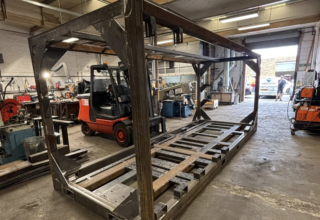
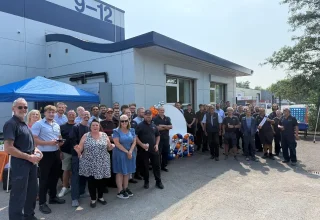
Natalia Stolarczyk: We established strict visual guidelines. We replaced generic stock photos with application-led imagery showcasing real, hero-framed equipment relevant to sectors like Power Generation and Automotive. For facility photos, we banned staged smiles in favour of candid, documentary-style shots of our team at work. We also paired geometric design elements inspired by our chevron logo with streamlined sitemap navigation, making case studies and specs instantly accessible.
SMI: What is your key takeaway for other industrial marketers?
Natalia Stolarczyk: Stop marketing raw machine processes and start marketing complete solutions. Respect both procurement and engineering audiences, ban generic stock photography, and frame your heritage as continuous innovation.