With recent news that government to government trade deals are undermining the effectiveness of steel tariffs, an industry expert has warned that continued deals that bypass protective measures could pose a long term threat to the sustainability of the British steel industry.
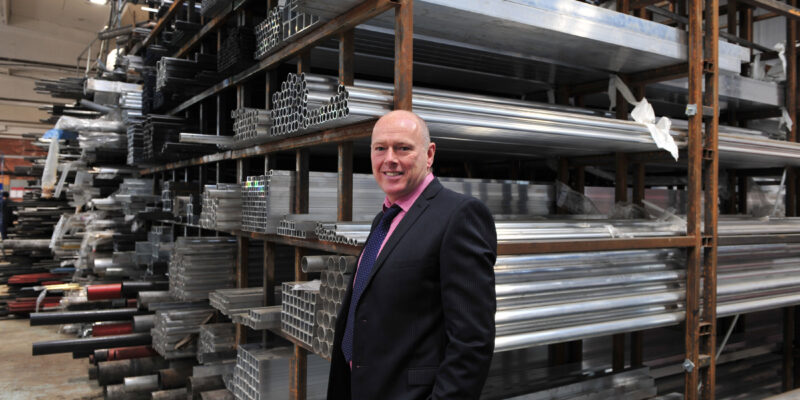
Metals expert, Paul McFadyen, chairman of metals4U, has outlined that production slowdowns, such as those happening at Llanfern, are just the tip of the iceberg if the government continues to allow major steel producing nations to increase their tariff free quotas.
Paul has also outlined important steps that the government should take to reduce the cost burden for British producers, such as reduction of business rates and subsidies for energy costs.
The government introduced foreign steel quotas to protect UK industry, but major trade deals are undermining their effectiveness and putting UK producers out of work; says Paul McFadyen, chairman and metal expert at metals4U:
“When the UK government announced steel quotas on foreign producers, I supported the decision, believing it would help domestic producers compete with cheap foreign imports that British steelmakers simply couldn’t match. Whilst I still believe this, it’s clear that other government decisions are undermining these quotas, making them essentially meaningless.
“Government to government trade deals with the likes of India, Vietnam, and South Korea have resulted in increases to the tariff-free steel quotas for these countries, resulting in a surge of cheap foreign steel onto the market. This is having a direct impact on UK producers, such as the plant at Llanwern in south Wales, which is reportedly running at half capacity due to a lack of orders as commercial buyers snap up the cheap steel.
“The UK steel sector is incredibly fragile, and despite recent progress in strengthening the industry, its future remains firmly in the balance. Government rhetoric has consistently championed British industry, and encouraged public and private manufacturers to buy British, but without continued action to safeguard the UK steel sector, this rhetoric is purely hot air.
“The government needs to make British steel production less cost intensive to allow manufacturers to reduce production costs and make their prices more competitive. Reducing energy costs and business rates for sectors of national importance are firm statements of intent that will help the sector to become more sustainable and profitable. The government should also think very carefully about any further increases to tariff free quotas, particularly when negotiating with countries which pose a direct threat to the UK steel sector.
“The handful of remaining steel making facilities in the UK are a significant asset of national importance that will be extremely difficult to replace if they’re forced to close. The government’s tariff plans could be genuinely transformative for the industry, but in order for the benefit to be felt they cannot be undermined by trade deals that bypass the quotas that have been put in place to ensure the survival of the domestic industry.”